Category: Nursing Home Abuse

nursing home abuse & neglect, and what you can do if you suspect it’s happening

  • Covid-19 and Florida Nursing Homes: Where Are We At Now?

    Covid-19 and Florida Nursing Homes: Where Are We At Now?

    As vaccinations continue to roll out across the country, Covid-19 continues to infect new patients every week, and so far more than 486,000 Americans have died of the infection. Nearly 26,000 of those were Florida residents, and more than 107,000 were nursing home residents nationwide. Sadly, the infection spread easily in many unprepared nursing homes, claiming the lives of residents who were at high risk due to age, illness, or disability.

    Unfortunately, travel and visiting around the holidays likely increased these numbers. In the three-week period around Thanksgiving, 4.7 out of every 1,000 nursing home residents died in the state, an increase from 2.3 out of 1,000 in the four weeks before Nov. 15.  By December 23, 7,900 residents and staff at elder-care facilities had died of COVID-19 in Florida.

    Why is Covid-19 so prevalent in Florida nursing homes?

    Because testing is optional under state laws, many senior care facilities don’t require it for visitors. This can leave residents at risk. There are many other situations that may contribute to the spread of Covid-19 in these facilities, such as a lack of PPE and other safety measures for staff and patients, a lack of test kits, or a failure to monitor and isolate patients showing symptoms. Bringing together patients for meals and activities may also increase risk, but some facilities lack the staff or resources to decentralize these practices.

    “The fundamental problem is the continued inability to provide accurate, rapid-result testing of everyone entering elder-care facilities — staff, visitors, family caregivers and vendors,’’ said David Bruns, spokesman for AARP, when he spoke with the Tampa Bay Times in late December.

    Staying informed on the health condition of your loved one

    Although it’s difficult not to visit a family member you haven’t seen in a while, visits are still risky and will continue to be for the next several months, until more of the population is vaccinated. If possible, try to talk with your family by phone instead of making in-person visits. If you do go in-person, be sure to wear a mask, use hand sanitizer, and maintain a 6ft distance from everyone you encounter in the facility.

    You can also call the facility and ask if your loved one’s vaccine has been scheduled, as the state has made elderly people over 70 a priority group for vaccination. If your family member has not been vaccinated and there are no plans to do so soon, ask the facility staff why and when they can expect to receive a vaccine.

    Unfortunately, the vaccine has come too late for many seniors who have already died or become chronically ill from Covid-19. Nursing homes and assisted living facilities have a duty to protect  their residents from harm, including infectious disease. If you believe your loved one may have suffered from nursing home negligence in relation to the pandemic, please contact us for a free consultation.

    Is your loved one in a facility affected by a Covid-19 outbreak? Follow our list here

    The Florida Department of Health maintains a frequently-updated list with stats for positive test results among patients and staff at nursing home facilities. If you have a loved one in such a facility, you may want to keep an eye on this list for a jump in cases. It’s also a good idea to talk on the phone or video chat with loved ones often to keep up with how things are going at the facility. Make note if your loved one mentions that nurses and staff have been scarce lately, or several of their friends have been taken to the infirmary.

    Covid-19 Data and Florida Nursing Homes – As of February 16th, 2021

    • 24 facilities in Palm Beach County have had at least one case of Covid-19 among it’s patients
    • The worst outbreak was at Encore at Boca Raton, a nursing home, with 29 positive residents.
    • The second worst outbreak was at Avante at Boca Raton with 17 cases and 31 residents transferred. We have written extensively on the poor conditions for residents at Avante, based solely on violation data provided by the state.
    • The highest instance of Covid-19 infected occurred at Life Care Center of Port St. Lucie with 48 staff testing positive on 2/14/2021.
    • Menorah House has the highest number of positive residents transferred.

    [table id=1 /]

    Data provided by the State of Florida.

  • Tiffany Hall Nursing Home May be Negligent in Allowing Pillow Smothering Attack on a 95-Year Old Patient

    Tiffany Hall Nursing Home May be Negligent in Allowing Pillow Smothering Attack on a 95-Year Old Patient

    [vc_row][vc_column][vc_column_text]On Sunday, January 5, a 95-year-old resident of the Tiffany Hall Nursing and Rehabilitation Center died after being attacked by an assailant who then fled the building.

    Port St. Lucie Police were contacted by staff at the Tiffany Hall Center shortly after midnight Sunday morning. Investigators say the attacker was only discovered because a nurse walked past the patient’s room. She saw a man sitting on the patient’s chest, holding a pillow over his head. The nurse immediately yelled for help, and another nurse rushed to call 911. Hearing the yelling, the attacker ran out of the facility at 1800 SE Hillmoor Drive, Port St. Lucie. The victim was pronounced dead.

    Port St. Lucie Police spokeswoman Sgt. Lisa Marie Carrasquillo said officers searched for the man, setting up a perimeter and using search dogs. The St. Lucie County Sheriff’s Office searched from the air, but the attacker is still at large. Unfortunately, investigators still don’t have a good description of the suspect. If anyone has any information related to this crime, please immediately call the Port St. Lucie Police Department at 772-871-5001 or Treasure Coast Crime Stoppers at 1-800-273-TIPS (8477).

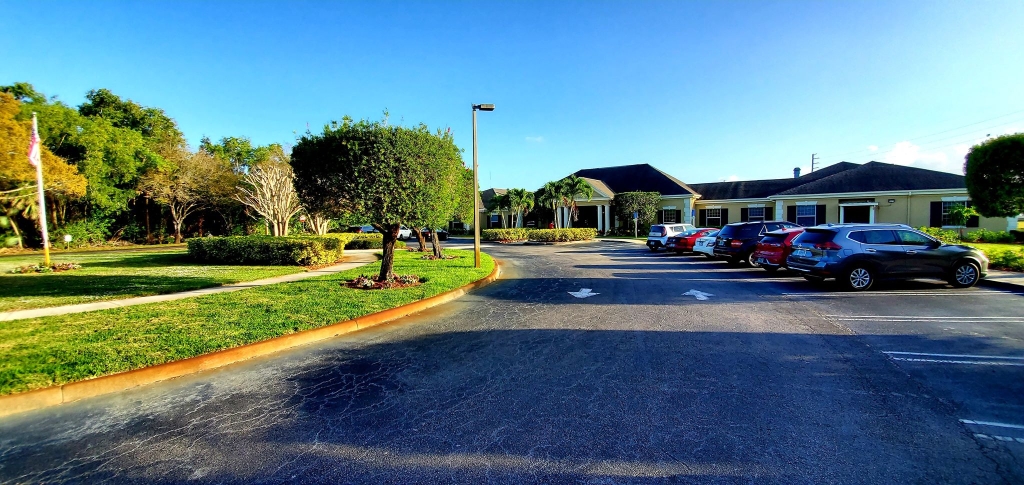
    Tiffany Hall Nursing & Rehab - Driveway
    Tiffany Hall Nursing & Rehab Center — Photographed by LOCG on January 13th 2020

    Nursing Home Patients are Frequent Targets of Physical Abuse in Florida

    Sadly, it is not uncommon for elderly or disabled patients to be injured or even killed in nursing homes, due to abuse or neglect. If security at the facility is neglected, anyone can walk in and make their way to a patient’s room. In some cases, staff members abuse or harm residents as well. Florida has nearly 700 nursing homes, and one study found that more than 75 percent of nursing home residents in the state report they have been neglected or witnessed another patient suffer abuse in their facilities. Common results of abuse include bedsores, falls, and wrongful death.

    Another tragedy occurred in 2017, when eight nursing home residents died at The Rehabilitation Center at Hollywood Hills following Hurricane Irma and a subsequent loss of air conditioning. Although the center was belatedly evacuated, six more patients died in the following days. The Broward County Coroner ruled twelve of the deaths homicide.

    Hurricane Irma made landfall on September 10, 2017. Although the Rehabilitation Center did not lose power, their air conditioning system shut down. Staff distributed portable fans and other cooling units, but the residents soon started to show signs of distress as temperatures skyrocketed inside.

    After several days of intense heat in the building, more than 115 people were evacuated from the nursing home, some of them in critical condition. Three people were pronounced dead at the scene, another died during the evacuation, and four were pronounced dead at a hospital. The remaining six passed in the weeks after the evacuation. Days later, the facility’s license was suspended and it was closed down.

    In  2019, four employees of the facility were charged in nine of the deaths. All four employees, including the facility’s former chief administrator and three nurses, are charged with aggravated manslaughter of an elderly or disabled person. Two employees are also charged with falsifying reports. The defendants’ attorneys claim they tried to get help for patients but state officials ignored their requests for help. However, investigators say the nursing home delayed evacuation for several days, although there was a functional hospital right across the street.

    After the arrests were made, Hollywood Police Chief Chris O’Brien spoke at a press conference attended by several of the victims’ family members. “The families sitting here today should not have lost their loved once this way. They placed their faith and trust in the facility … and that trust was betrayed. They have been living an absolute nightmare.”

    How Tiffany Hall Nursing and Rehab Center Performs in Regulatory Reviews

    Tiffany Hall Nursing and Rehab Center in Port St. Lucie has received several deficiency reports since at least 2016, according to an analysis by ProPublica.org. There have been 18 documented deficiencies of care in inspection reports performed by the Department of Health & Human Services at the facility. The reports include deficiencies for food storage and preparation, pest control, bedsores prevention, and not keeping certain patient medications on hand.

    In October of 2019, a inspection visit from AHCA, the Agency for Health Care Administration for the State of Florida filed a detailed deficiency report that concluded Tiffany Hall was in violation of an important rule that requires all employees to undergo extensive background screening, including the recording of fingerprints. A review of human resources records revealed that at least one employee was not listen on the HR Clearinghouse Roster, which is the list of screened and approved employees.

    That employee, the report says, was already regularly working over 20 hours a week at the facility.

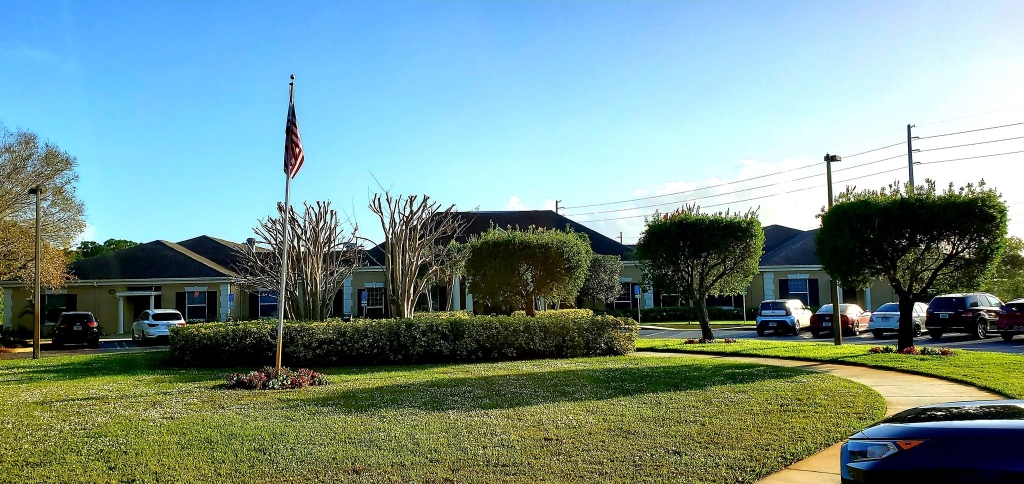
    Tiffany Hall Nursing & Rehab - Front Building
    Tiffany Hall Nursing & Rehab Center — Photographed by LOCG on January 13, 2020

    How to Ensure Your Family Members are Not Easy Targets for Abuse or Neglect As Patients in Nursing Homes

    It’s recommended that people concerned about family members who live in nursing or rehabilitation facilities visit often, on an unpredictable schedule, and look out for warning signs of abuse, which may include:

    • Unexplained signs of injury, such as bruises, welts, or scars, especially if they appear symmetrically on two sides of the body
    • Broken bones, sprains, or dislocations
    • A report of drug overdose or an apparent failure to take medication regularly (a prescription has more remaining than it should)
    • Broken eyeglasses or frames
    • Signs of being restrained, such as rope marks on wrists
    • Caregiver’s refusal to allow you to see the elder alone

    [/vc_column_text][/vc_column][/vc_row]

  • Florida Nursing Home Deaths at Rehabilitation Center Suggest Gross Negligence

    Shocking details are being released from officials in Hollywood, Florida, which became the scene of national scrutiny this morning as local reports reveal at least eight elderly patients of the Rehabilitation Center at Hollywood Hills nursing facility are confirmed dead.

    The bodies were discovered by local police and emergency officials responding to calls for help from within the facility, one news report suggests. Upon arrival, officials found the facility to be completely without power, knocked offline due to the impacts of Hurricane Irma, and the interior rooms to be extremely hot as a result of a lack of air conditioning.

    It is unknown how long the building has been without power, but crews jumped into immediate action by evacuating 115 elderly patients from the facility, delivering the residents en masse to local hospitals around the area.

    The identities of the deceased have been released:

    • Bobby Owens – 84 years old
    • Manuel Mario Medieta – 96 years old
    • Miguel Antonio Franco – 92 years old
    • Estella Hendricks – 71 years old
    • Gail Nova – 71 years old
    • Carolyn Eatherly – 84 years old
    • Betty Hibbard – 84 years old
    • Albertina Vega – 99 years old

    Anyone who knows a resident at the Rehabilitation Center are urged to call Memorial Healthcare, where evacuees have been temporarily relocated, at 954-265-3000 to check on the status of any resident.

    Why wasn’t the facility evacuated? Could this tragedy have been avoided?

    In the wake of the shocking revelations, family members who have loved ones at the facility should be asking: Why wasn’t the facility evacuated in the threat or wake of Hurricane Irma?

    And the bigger questions for investigators and the lawyers who represent the families of residents should be whether all safety precautions were thoroughly and completely adhered to, knowing the devastating impact Hurricane Irma was projected to inflict days ahead of impact.

    The scene at the nursing facility was locked down by state and local authorities, as ACHA and the Florida Justice Department work in tandem to evaluate the situation. A criminal investigation is expected.

    There is evidence of several health code violations cited by the Agency for Healthcare Administration (AHCA) since at least 2016 related to the home’s inability to keep its emergency power generators serviced and operational. These violations are published by the agency on the Medicare.gov website.

    Prior health code violations support a history of poor care at the Rehab Center

    According to state records, in the periods between December 2014 and March 2017, three complaint-driven inspections of the facilities revealed 32 total health deficiencies, including issues involving the proper preparation and storage of food, providing adequate housekeeping and maintenance services, and proper disposal of garbage and refuse.

    So far as the Hurricane Irma tragedy is concerned, if there was a safety or evacuation plan in place, and it was either not followed or ignored, the potential for a substantial personal injury liability lawsuit is possible.

    The for-profit owners of the Rehabilitation Center at Hollywood Hills nursing facility may be held liable for negligence concerning their eight deceased residents, and possible dozens more who may have suffered unnecessarily.

    Families who have had loved ones admitted to this facility in Hollywood, Florida may want to consider hiring a personal injury law firm with experience handling complex nursing home abuse and neglect cases. Our law firm is available for a free consultation for any concerned family of a resident at the Rehabilitation Center or any other nursing home or ALF facility where criminal acts or negligence may be suspected.

  • Behavioral Signs of Nursing Home Abuse

    It is said that these days Americans are living longer than ever before. Today, adult children have different challenges than their parents did. With seniors living well into their 80s, 90s, and beyond, sons and daughters are doing everything they can to help their elderly parents remain independent. From buying them homes without second stories, to getting them gym memberships, to buying them vitamins and taking them along on family vacations, many Baby Boomers are doing the best they can to help their parents live long, healthy, carefree lives.

    Unfortunately, millions of elderly parents eventually suffer from dementia. Or, as they reach an advanced age, they begin to require round-the-clock assistance with everything from taking care of their home to cooking to bathing, and everything in between. When it becomes too much, the family decides to place their elderly loved one in a nursing home. Often, this is a very hard decision for the family to make.

    What is Happening Behind Closed Doors?

    While some nursing homes are great facilities that hire caring staff, too many of them fail to put the residents’ needs first. On the outside, they may look nice, but behind closed doors, the nursing home, long-term care or assisted living facility is understaffed and the people that do work there are poorly trained and underpaid. In effect, abuse occurs.

    Why does this happen? Because, too many nursing homes are more concerned about their bottom line than the wellbeing of their residents. According to the National Center on Elder Abuse (NCEA), “Experts have reported that knowledge about elder abuse lags as much as two decades behind the fields of child abuse and domestic violence.”

    The NCEA goes on to say that elder abuse is underreported. “The New York State Elder Abuse Prevalence Study found that for every case known to programs and agencies, 24 were unknown,” reported the NCEA.

    While nursing home abuse can involve sexual abuse, physical abuse, psychological abuse, and financial exploitation, for the purposes of this post, we want to help you identify the “behavioral signs” of elder abuse. This way, if you don’t “see” any physical signs, you know what to look for behaviorally.

    Behavioral Signs of Elder Abuse

    • A sudden change in mood or personality
    • Your loved one complains of abuse
    • Your loved one is afraid of you leaving
    • Your loved one is afraid to be alone
    • Your loved one becomes afraid of movement
    • Your loved one becomes depressed
    • Your loved one no longer smiles or laughs
    • Your loved one seems like an entirely different person

    Typically, what causes nursing home abuse is inadequate training and staffing, insufficient employee background checks, and a high staff turnover. All of these can be traced to upper-management, which is ultimately responsible for these issues.

    If you suspect your loved one is a victim of nursing home abuse, please contact our firm to schedule a consultation with a West Palm Beach injury attorney who can help.

  • Bedsores & Nursing Home Neglect

    Bedsores, also known as pressure ulcers, refer to an injury to the skin and the skin’s underlying tissues. As the name indicates, bedsores or pressure ulcers are caused by having pressure against the skin for a prolonged period of time. Usually, bedsores develop around bony areas of the body where there is little muscle and fat covering the bone. For example, bedsores commonly develop on the hips, knees, ankles, and along the tailbone.

    People who are in good health and able to walk around do not typically get bedsores because they don’t lay down for prolong periods of time. Instead, those who are afflicted with bedsores the most are people who have a medical condition that makes it difficult for them to move around and change positions. Bedsores usually develop in people who are confined to a bed or a chair, and they frequently occur in the nursing home setting.

    Symptoms of bedsores:

    • Swelling and tenderness,
    • Red, broken skin,
    • Changes in the skin’s texture and color,
    • A pus-like substance drains from the sore, and
    • The wound feels warmer or cooler to the touch than other parts of the body.

    Bedsores vary in severity; a new bedsore can appear red with unbroken skin, while an advanced bedsore left untreated can be a deep injury that penetrates the muscle and bone. If a bedsore develops, it’s important for the individual’s position to be changed to take the pressure off of the area. If the bedsore does not improve within 48 hours, medical intervention is necessary.

    Causes of bedsores:

    • Too much pressure on an area of the body, which decreases the blood flow in the tissues. Blood flow cannot be underestimated; it’s vital so that oxygen and nutrients can be delivered to the tissues. Without adequate blood flow, the skin and surrounding tissues can die.
    • Friction can lead to bedsores – this happens when a person’s skin is rubbed by bedding or clothing. If the skin is fragile to begin with, excess friction can lead to bedsores.
    • Shear can lead to bedsores. Shear is where two surfaces, such as skin and a bed, are moving in the opposite direction – this can lead to sores.

    What are the risk factors?

    • Inadequate nutrition leads to bedsores because people need proper nutrition to maintain healthy skin.
    • Dehydration can lead to bedsores because it compromises the skin’s health.
    • Being confined to a bed or wheelchair (immobility).
    • Certain medical conditions that decrease blood flow, such as diabetes, increase the risk of bedsores.

    Bedsores are not to be ignored, they can lead to serious complications, such as cellulitis, bone and joint infections, cancer and sepsis (although sepsis is rare). Unfortunately, it’s not uncommon for bedsores to develop in nursing home patients as a result of neglect. If your loved one has developed bedsores in the nursing home setting, know that bedsores are not something to be tolerated or ignored. Often, bedsores are a direct result of poor nutrition or dehydration, or the failure to move patients so they will have adequate blood flow.

    To learn more about your loved one’s rights, contact our office to schedule a free consultation with a West Palm Beach nursing home abuse attorney!

  • Causes of Nursing Home Abuse

    According to the National Center on Elder Abuse (NCEA), “Experts have reported that knowledge about elder abuse lags as much as two decades behind the fields of child abuse and domestic violence.” The NCEA contends that we have an urgent need for more research, and we couldn’t agree more.

    Elder abuse or nursing home abuse refers to neglect, as well as physical, emotional, sexual, psychological, and financial abuse of vulnerable elderly adults. One groundbreaking study based out of New York found that 260,000 (1 out of 13) elderly adults in New York were victims of elder abuse at least once in the previous 12 months, the NCEA reports.

    “Elder abuse is also underreported,” says the NCEA. The New York Elder Abuse Prevalence Study found that: “for every case known to programs and agencies, 24 were unknown,” the NCEA reported.

    What Are the Risk Factors for Nursing Home Abuse?

    Before we get into the “causes” of elder abuse, let’s take a look at the risk factors, as reported by the NCEA. Studies found that these factors increase someone’s risk of being a victim of nursing home abuse:

    • A low amount of social support.
    • Dementia is a significant risk factor.
    • Previous experience being a victim of domestic violence.
    • Poor physical health.
    • Functional impairment.
    • Low income and poverty are associated with elder abuse.
    • No spouse or partner increases risk of financial exploitation.

    Who are the perpetrators? Aside from adult children and spouses, they include individuals who work in nursing home facilities. Perpetrators in the nursing home setting are:

    • More likely to be male, though women abuse as well
    • Have a history of having problems with law enforcement
    • Have a past or current substance abuse problem
    • Under a lot of stress
    • Have major financial problems
    • Often socially isolated
    • Working in an understaffed facility
    • Undertrained and underpaid

    Often, nursing home abuse is closely connected to hiring practices. Unfortunately, many homes fail to hire the best quality people. When a facility is constantly short-staffed and regularly hires unscrupulous individuals, not only is it a recipe for disaster, it’s an irresponsible, but all too common practice.

    Looking for a West Palm Beach nursing home abuse attorney? Contact us 24/7 to speak with a lawyer you can trust!

  • Is Alzheimer’s Linked to Nursing Home Abuse?

    These days, Americans are living longer, healthier lives than ever before. Because the average life expectancy continues to get older with each generation, we are dealing with more age-related issues than previous generations did, one of which is dementia.

    According to the Alzheimer’s Association, Alzheimer’s disease is the most common type of dementia, which mostly affects people age 65 and older, but it can affect people in their 40s and 50s.

    In the early stages of Alzheimer’s disease, the forgetfulness and confusion may be mild, and hardly noticeable. But this is a progressive disease; as it advances the memory loss becomes severe.

    The individual may not recognize their children or grandchildren, or even their spouse. They get confused about where they are, where their home is located, and how much time has elapsed. They can even have difficulty speaking and walking.

    Dementia Makes Seniors Vulnerable to Abuse

    The Alzheimer’s Association confirmed what many nursing home abuse attorneys already suspected – that dementia makes older people vulnerable to abuse. They can be prime targets of unscrupulous people who take advantage of them because of their cognitive impairment.

    According to the Alzheimer’s Association, “People with dementia are especially vulnerable because the disease may prevent them from reporting the abuse or recognizing it.” We have learned that often, it’s the person’s caregiver who neglects or abuses them.

    Unfortunately, when the nursing home resident complains of the abuse, people sometimes don’t believe them because they think it’s the dementia talking. Essentially, family members must remain vigilant; they have to be their loved one’s voice when they cannot speak up for themselves.

    Types of abuse and neglect:

    • Isolation
    • Neglect (e.g. malnutrition and dehydration)
    • Physical abuse
    • Sexual abuse (nonconsensual sexual contact or activity)
    • Emotional abuse
    • Financial exploitation
    • Willfully depriving the person of medical care, assistance, medication, food, shelter, etc.

    If you suspect that your loved one is being neglected or abused by their caregivers, we urge you to contact the Law Offices of Craig Goldenfarb, P.A. to speak with a West Palm Beach personal injury attorney about what can be done to help.

  • Nursing Home Abuse in West Palm Beach

    In 2015, an article ran in the Palm Beach Post saying ,“If you plan on retiring soon, Florida is the place to be.” In the Aug. 30, 2015 article, the Post’s staff writer discussed how WalletHub compared 150 of the largest cities in the United States based on affordability, the number of activities, healthcare, and the quality of life.

    After conducting its research, WalletHub determined that Tampa ranked No. 1 on the list, with Cape Coral ranking No. 4, Orlando at No. 5, and finally Port St. Lucie at No. 8. While West Palm Beach did not land in WalletHub’s list of 2015’s best and worst cities to retire, it still has a significant number of nursing homes in the area.

    Florida is more than the Sunshine State, it’s a popular destination for retirees due to its year-round warm weather and affordability. When you have such a high saturation of elderly people, there are plenty of nursing homes ready to care for aging adults when their families can no longer provide them with adequate care.

    Unfortunately, nursing homes across the nation are notorious for nursing home abuse and neglect. Even the finest, most expensive facilities have been cited by regulatory agencies, and the subject of personal injury and wrongful death lawsuits.

    Defining Nursing Home Abuse & Neglect

    According to the Centers for Disease Control and Prevention (CDC), “Elder abuse is an intentional act, or failure to act, by a caregiver or another person in a relationship involving an expectation of trust that causes or creates risk of harm to an older adult (age 60 or older).”

    The major forms of nursing home abuse, include:

    • Physical abuse (e.g. hitting, biting, choking, suffocation, pushing, slapping, kicking, pinching, burning etc.)
    • Sexual abuse (forced unwanted sexual contact)
    • Emotional or psychological abuse
    • Neglect

    Let’s take a closer look at neglect: Much like child neglect, neglect of an elderly individual can include dehydration, malnutrition, soiled clothing, bedsores, unhygienic living quarters, foul smells in the resident’s room, a lack of bathing, and a lack of necessary healthcare.

    If your loved one is in a nursing home and you suspect neglect or abuse, please understand that nursing home abuse is widespread and underreported. Many facilities and their staff will go to great lengths to deny allegations of neglect or abuse. So, you need a professional’s help.


    If you are concerned that your loved one is a victim of neglect or abuse, especially if they are suffering from dementia or Alzheimer’s, we urge you to contact our firm for assistance!

  • Sexual Assault at Nursing Home the Fault of the Staff at Village on High Ridge

    It’s not often we come across incidents of sexual abuse or sexual assault occurring between residents at a nursing facility, but it does happen. Take the recent media coverage of one Louis Lawson, an 87-year old man who was caught by staff sexually assaulting an unidentified 94-year old facility resident.

    Investigators with the state agency that regulates nursing homes, Florida Agency for Health Care Administration (AHCA), are still looking into what exactly occurred last November, when a staff member of the Village on High Ridge walked in on Lawson performing oral sex on another male resident, who has remained unidentified in the reports. That victim is said to be severely disabled and suffering from Parkinson’s disease.

    When asked by staff and police why Lawson was performing fellatio, he insisted that the victim “liked it”, and that he was just “horsing around”. He has been charged with sexual battery, and is being held at the Palm Beach County Jail.

    More shockingly, residents of the home and former roommates of Lawson have insinuated that he was overtly sexual, having grabbed or fondled staff, or been known to pleasure himself in front of others. That the staff may have known or documented Lawson’s sexual deviance and inappropriate behavior, and did nothing to prevent it represents substantial neglect on behalf of staff, management, and owners of the facility.

    Who is Liable for a Sexual Assault that Occurs at a Nursing Home?

    Who is liable for a sexual assault that is perpetrated against a resident on the grounds of a nursing home depends on the circumstances. But in most cases, the nursing home itself can and should be held liable for the assault.

    The reason is that ultimately the safety and securing of every resident at the home is the responsibility of the home itself. Further, because many of the facilities in Florida receive government-subsidized revenues including Medicare and Medicaid, they are under strict scrutiny and regulation by the various state agencies that exist to ensure residents receive the care and protection they deserve.

    In addition to the various business or liability insurers the nursing home contracts with, the nursing home owners, or specific staff members can also be held liable.

    A History of Deficiencies at Village on High Ridge

    Village on High Ridge, in Lake Worth, Florida, formerly known as the American-Finish Nursing Home, is no stranger to ACHA, the agency that investigates complaints by residents of nursing homes. The same facility that Lawson was a resident of at the time of his sexual assault against another resident is underscored by violations in the rules and laws regulating skilled care and nursing homes.

    For the full year 2015, Village on High Ridge was cited for more than 90 violations during four different visits, some scheduled, and some complaint-driven. In the most recent report, the nursing home was cited for 46 deficiencies, including:

    • Failure to document an incident in which one resident was verbally abused by another resident
    • The observance of a large bruise on a patient that could not be explained by staff, and was not documented in any injury reports
    • Deficiencies in resident rooms, including faulty lighting, and emergency assistance bells not working properly
    • Sanitary standards not being met in the kitchen, laundry area, and the dining room, as well as other shared spaces

    Through Village on High Ridge has not received any fines in the last three years, the facility has earned only 2 stars out of 5 on the federal nursing home comparison website, Nursing Home Compare (medicare.gov).

    When Sexual Assault Occurs at a Nursing Home

    Sexual assaults at nursing homes is not a common occurrence, but it does happen. The perpetration of sexual assault on the elder is a grotesque act of violence and abuse that is unimaginable for most of us, and more so for those among us that trust these facilities to care for our loved ones.

    Sexual assault is an area of personal injury law we practice, and we have handled sexual assault cases involving the elderly, and nursing home residents. In 2015, our law firm settled a sexual assault case at a nursing home in which a 93-year old mother and former world-class pianist had been severely and traumatically sexually assaulted with an unknown object. The terms and parties to that settlement remain highly confidential.

    If you or someone you know has been sexually assaulted as an elder, a resident of a hospital or nursing home, or by a caretaker at home or in any other location, or if you merely suspect that abuse or assault has occurred, we suggest you contact our firm immediately for a free and confidential consultation with an attorney.

  • How New Quality Scoring Model Affects Palm Beach County Nursing Homes

    Last month, the official U.S. website for Medicare (Medicare.gov) significantly altered the scoring method used for measuring ratings of the nation’s nursing homes in its vast online database and comparison tool, Nursing Home Compare.

    Following the changes of the scoring model rolled out in February of 2015, more than 60% of nursing homes saw their overall quality score decrease, though in most instances, not dramatically. However, a full 28% of those facilities who were adversely affected by the scoring changes saw their overall quality score lowered by a one full star.

    Nursing Home Compare is website run by Medicare.gov that keeps up-to-date quality of care information on every single Medicare and Medicaid-certified nursing home in the nation. If you’re concerned about avoiding the risk of nursing home abuse or neglect occuring, it’s a great asset to use. The website calculates quality of care scores for more than 15,000 facilities in all 50 states, and is accessed by 1.5 million visitors a year.

    How Nursing Home Compare scores are calculated

    The website employs a 5-star scaled scoring system to calculate an overall quality score for every nursing home in the county that participates in Medicare or Medicaid. Each nursing home is scored based on three different areas that affect the level of care the facility provides: health inspections, quality measures, and staffing.

    According to Federal officials, the changes incorporated are:

    • Introduced a quality measure tied to the rate of newly-prescribed anti-psychotic drugs and treatments to short-stay patients
    • Increased the number of points required to get an overall quality score higher than 2 stars
    • Increased the requirements to achieve a higher score in the level of care category for staffing, a critical component of the overall quality score

    The worst nursing homes in Palm Beach County, according to Nursing Home Compare scores

    There are 55 nursing home facilities in Palm Beach County that are ranked in Nursing Home Compare. Last year, we wrote an article on Avante at Boca Raton being the worst nursing home in Palm Beach County. Avante is a skilled nursing facility which received the lowest score in the county by the Nursing Home Inspections Ranker, a similar tool used to compare nursing homes run by the Agency for Health Care Administration, or AHCA.

    According to Nursing Home Compare, Avante does not boast the lowest quality scores – but they are far from the top. With an overall quality score of 2 stars, Avante scores in the bottom 30% of the score range for all Palm Beach County facilities. Nearly 45% of all Palm Beach County nursing homes achieved an overall rating of 4 stars or more, following last month’s scoring system updates.

    To Avante of Boca Raton’s credit, the facility achieved a 4-star rating in the care category of staffing, and a 5-star rating in the category of quality control, which are two very important categories, according to the page on the website that explains how the scoring system works. Remember, one of the changes the website rolled out to its scoring system was giving more leverage to the care category of staffing to influence overall quality score.

    Digging deeper into the database, two facilities stand-out as having the worst scores in both overall quality and each category. They are Glades Health Care Center in Pahokee, and Heartland Health Care and Rehabilitation Center in Boca Raton (see screenshot below).

    Palm Beach County Nursing Home Compare

    In the care categories of health inspections, both facilities received only one star. For the category of staffing, Glades has not been scored – the algorithm hasn’t gleaned enough data from the facility to process a score. Heartland received two stars.

    Both facilities received only two stars for quality measures, and both facilities represent two of only three facilities in Palm Beach County to receive one-star ratings for their overall quality score.

    Glades and Heartland are strikingly similar – both have 120 beds, both participated in Medicare and Medicaid, and they are both independent care facilities. According to Medicare data, Glades Health Care Center is non-profit; Heartland Health Care is for-profit. Heartland was fined by Federal authorities only once in the last three years, in the amount of $10,000.

    In the area of health and safety inspections, in the last year, the total number of deficiencies discovered by officials at Heartland was 11, compared with 7 at Glades, and 5.7 as the average number of deficiencies for all facilities in the state of Florida.

    Heartland also received more than four times the number of complaints to Medicare that were filed against Glades. When it comes to fire deficiencies, Glades was cited with three times as many deficiencies than Heartland.

    The best nursing homes in Palm Beach County, according to Nursing Home Compare scores

    Of the 55 nursing homes in Palm Beach County that are ranked on Nursing Home Compare, 27% carry an overall quality score of 5 stars. Of those 15 facilities, only two facilities carry 5-stars on every scoring level – overall quality score, health inspections, staffing, and quality measures.

    Those facilities are Harbours Edge in Delray Beach, and Joseph L Morse Geriatric Center in West Palm Beach. Both facilities are non-profit, and both received a total number of health deficiencies that were well below the average for Florida in the last year. Harbours Edge did receive a fire safety inspection report in 2013 that cited the facility for seven deficiencies, more than those reported in the same year at Glades and Heartland.

    Interestingly, Harbours Edge and Joseph Morse are credited with a smaller percentage of short-stay patients who were newly prescribed with antipsychotic medications by the facility. In fact, both facilities prescribed antipsychotic medications to only .5% and 1.4% of their short-term newly-admitted patients, respectively, compared with 3% for the average of all Florida facilities and 2.4% nationally.

    The greater weight placed on the measure of how many newly-admitted short-term patients receive antipsychotic medication was one of the recent key changes to the scoring system, according to a release by Medicare.

    The takeaway from this article is that the newly incorporated changes to how Medicare and Nursing Home Compare scores the nation’s facilities has, on average, lowered the overall quality score for many facilities. In Palm Beach County, many overall scores were lowered among facilities that already suffered from a low overall score, as expected. But some facilities were rewarded with a higher overall score, and in the three quality of care categories.

    If you or someone you know has been a patient or resident of Glades Health Care Center or Heartland Health Care and Rehab Center, and you they have been subjected to nursing home abuse or neglect. You or your loved one or friend, or their family, may be entitled to compensation related to damages suffered. We may be able to help.